From Human Patience to Institutional Time: Where We Stop and Systems Begin
Published December 18, 2025, Page Last Modified December 21, 2025
Long-term, multi-year patience is more than impressive. It’s an act of faith—in processes, in time itself, in the idea that some things simply cannot be rushed. In this essay, I aim to provide commentary on long-spanning human endeavors, namely: aged food ingredients, multi-year skyscraper construction, 25-year environmental corporate commitments, 30-year treasury bills, and a 45 year airport operation contract. For each, I’ll analyze what makes human patience possible–or impossible–at each scale.
A Personal Connection
My most recent experience with a large chunk of time has come at a 2 year mark: 2 years of working professionally as a software engineer. It’s the kind of block of time that others recognize too. With so many job postings in the tech sector advertising 2+ years of experience, this was the amount of time that needed to pass before recruiters started to bombard me by the dozen, trying to poach me for a new role. Somehow 2 years is just the right amount of experience that is meaningful enough to make someone desirable in the tech labor market.
And 2 years is quite long. When I think about how many days there were in the last 2 years, how many trips to the grocery store there were, how many social events I engaged in, I’m amazed by the amount of activities that needed to pass to see 2 years through.
But as I’ll explore, our willingness to wait years for outcomes is what separates progress beyond ourselves from mere survival. And it’s such a normal occurrence, that sometimes, we look right past the marvel of human patience before us.
Groceries and Doctors
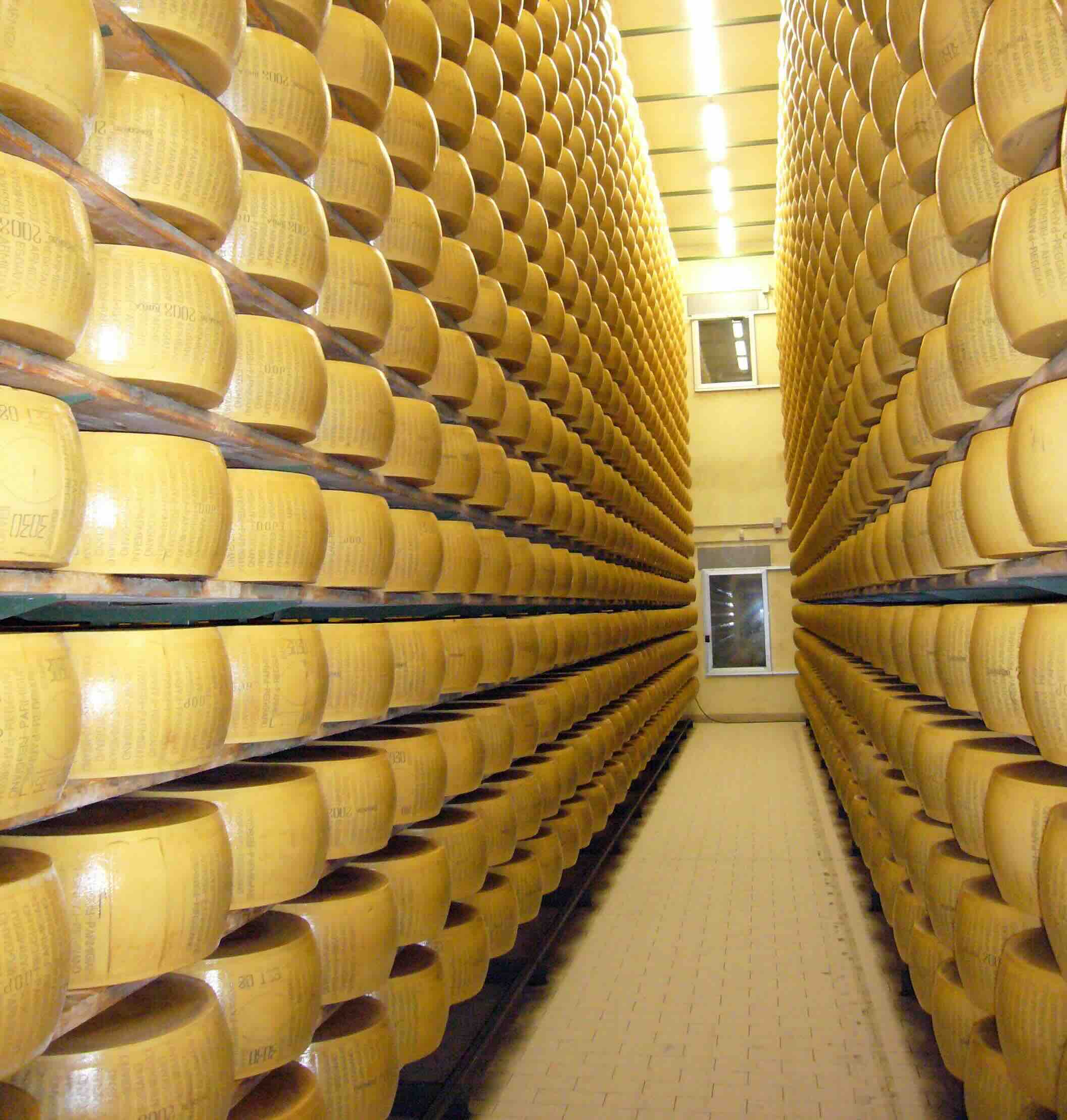
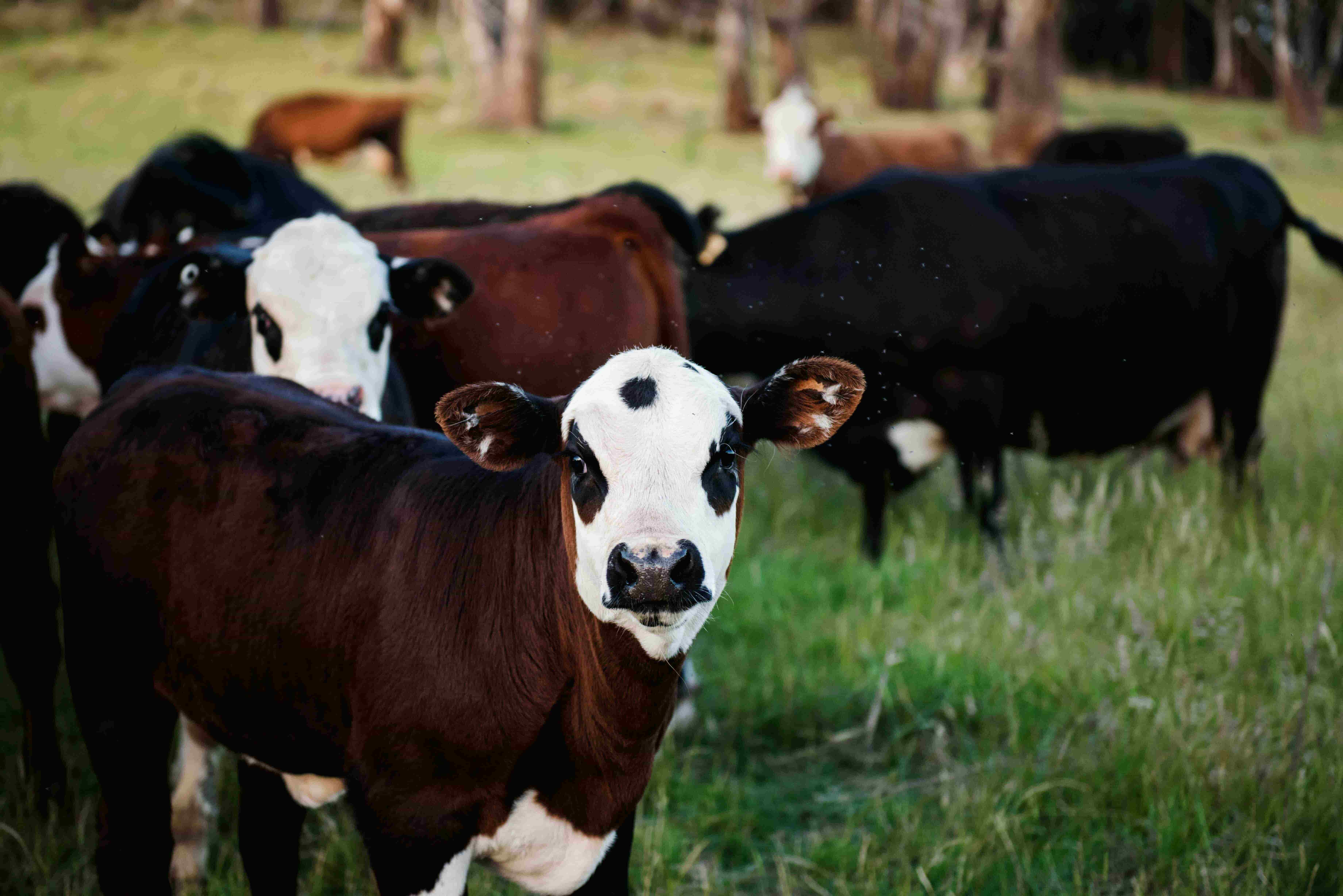
Walking through the grocery store, you’ll find that a cheese like parmesan is aged for between 1 and 3 years. While not the norm, some cheddars are aged for 5 years. Beef cows take approximately 18 to 22 months to reach market weight before slaughter. And many liquors–from tequilas to bourbons to whiskeys–are aged for multiple years, sometimes even decades.
Someone at some point tasted a two-year-old cheese and a three-year-old cheese and decided “actually, let’s wait five years.” Five years! People are maintaining climate-controlled environments for cheese that won’t be ready until the next presidential administration!
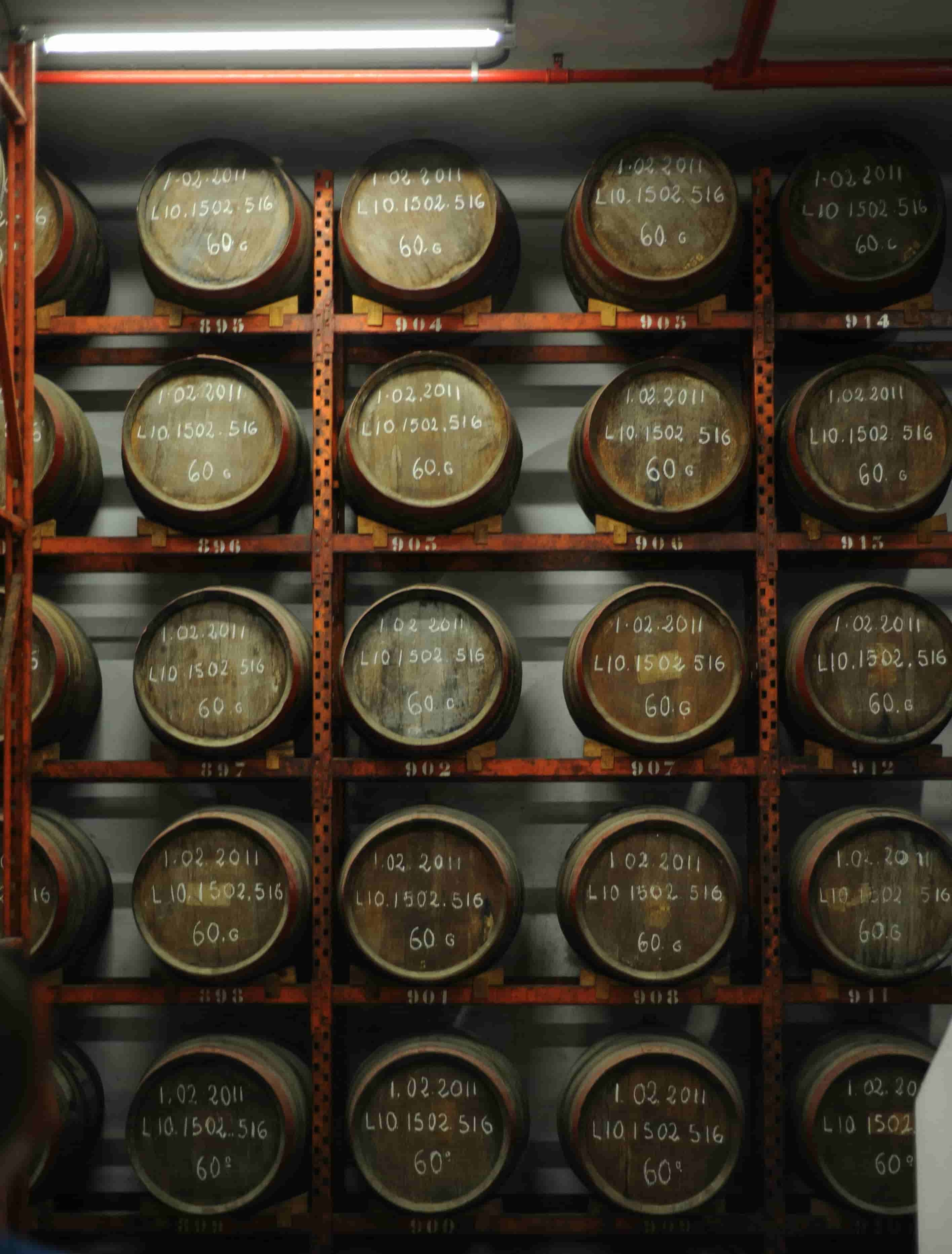
Or consider that we collectively agreed that eighteen years of aging whiskey is somehow meaningfully better than seventeen. Who had the patience to run that experiment? Someone had to wait around, tasting barrels year after year, going “not yet… not yet… okay NOW it’s perfect.” How old were you 18 years ago? Where were you? Think really hard. From that memory all the way until the present is the amount of time that an 18 year whiskey needed to age. That’s a quarter of a lifetime.
What’s extraordinary about these long periods of aging is that humans are able to create the right conditions and then respect the process, resisting the urge to open a barrel of liquor before its time. Not eating or selling cheese at an earlier point in the aging process. Not killing a cow before it reaches its age of maturity. It’s a whole lot of time to do nothing–or rather, do anything else–really. Well, cattle and livestock do require continual care every day. But for cheese and liquor, humans mostly just have to sit and wait. And that patience to leave something be for such great amounts of time rather than interact is pretty amazing.
We have similar durations of time to age people in certain ways. Medical doctors require between 7-11 years of aging (I mean, hard work, studying, and patient interaction) to become fully licensed physicians that can practice independently.
The medical training example might be the wildest so far because there’s a human being on one end making that choice. They’re typically 22 years old and they decide: I will not be a fully independent professional until I’m 32. They will miss weddings, their friends will have kids, their high school reunion will come and go twice, and they’ll still be in training. It’s absurd. And yet thousands of people make that choice every year.
Skyscrapers
Building a skyscraper can take 3 to 6 years from pre-construction planning, to designing, to permitting, all the way to the construction phase and interior finish (quora). With the exception of something like the Empire State Building, which took less than 1.25 years to build 102 floors.
And the patience required in building skyscrapers is a totally different kind of patience than aging food ingredients—not passive waiting but sustained, relentless precision over years.
With a skyscraper, you can’t just set it and forget it. Every single day, month after month after month, for years, hundreds of people have to show up and execute their piece of the puzzle perfectly. A welder on floor 47 has to make a joint that will hold for 50 years. Someone has to place rebar with millimeter accuracy knowing that concrete will be poured over it tomorrow and it can never be checked again. The elevator shaft has to be perfectly plumb from bottom to top—we’re talking about maintaining tolerances across 1,000+ feet of vertical space.
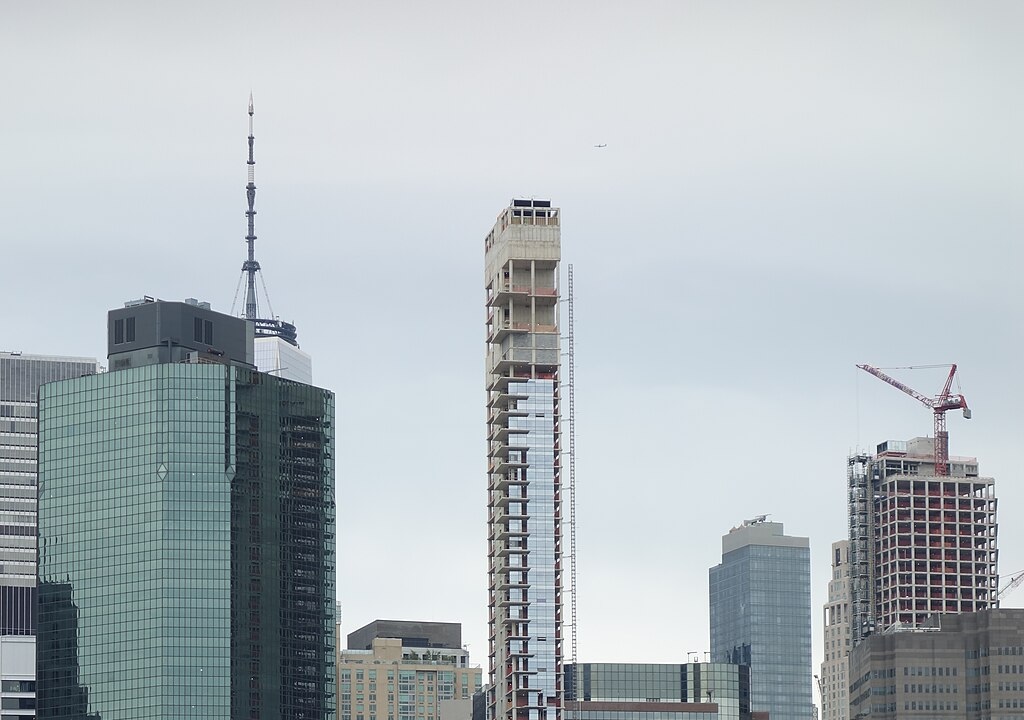
And the brutal part is that mistakes compound. If floor 12 is off by half an inch, that error doesn’t just affect floor 12—it propagates upward. By floor 80, you might be dealing with structural problems that trace back to a measurement someone made two years ago. This isn’t just conjecture. This is really how it can go. The 60-story skyscraper at 161 Maiden Lane in Manhattan was discovered to be leaning 3 inches to the north as a result of its construction process, and because of this, will not be completed, leaving hundreds of millions of dollars of investment in limbo.
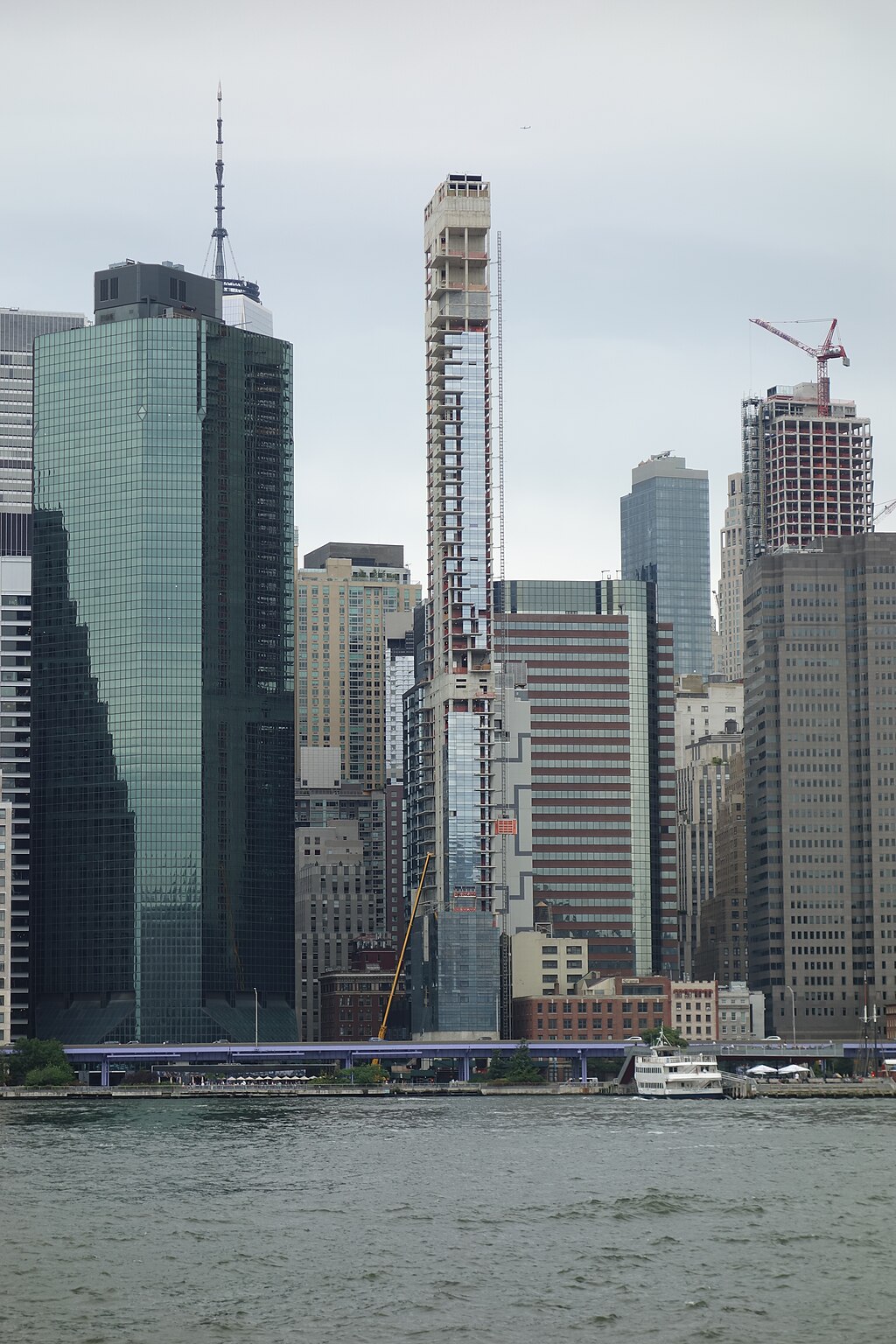
The partially constructed 161 Maiden Lane building (Tdorante10, CC BY-SA 4.0, via Wikimedia Commons)
Skyscraper construction has cumulative complexity in a way that aging cheese doesn’t. Every trade depends on the previous trade doing their job correctly, and nobody can go back. What’s terrifying is that this requires collective, coordinated patience across hundreds of people who will never see the finished product during most of their time working on it. They’re all building toward something that doesn’t exist yet, trusting that everyone else will maintain the same high standard.
Building skyscrapers successfully happens because humans create systems that don’t rely on superhuman willpower. Checklists, inspections, redundancies, protocols. The skyscraper doesn’t get built because 500 people are all simultaneously motivated and careful for three years straight. It gets built because there are systems that catch mistakes, enforce standards, and keep things moving even when individuals are having off days. The structure exists outside any single person’s willpower. The invisible is made visible through milestones. You can’t see a skyscraper in a foundation pit, but you can see “floor 15 complete.” We use proof of progress because human patience fails without evidence that time is actually buying something.
With these long-term projects, we inherit belief from people who’ve done it before. The first person to age cheese for 3 years was insane. The hundredth person was following a recipe. Someone else’s completed patience becomes your permission to be patient. You trust the process because the process has a track record. The doctor has mentors who finished before them. The construction crew has shift changes. The cheesemaker today probably has a community of many other cheesemakers. We can sustain patience longer when we’re not the only ones holding it.
And yet, when it comes to skyscrapers, our faith extends beyond the immense coordination required to construct them. It assumes an even longer-term commitment: the safe maintenance of these vast structures over decades—indeed, centuries—of weathering and structural stress. We build these megastructures and more or less trust that they will endure, that they won’t fail or collapse from hidden weaknesses. The original designers, engineers, and builders will be long gone before the buildings themselves reach the end of their lifespans. But will humans ever dismantle tall buildings simply because of structural wear and tear? And which people—40, 80, 250 years after a skyscraper is erected—will have the financial resources or even the psychological motivation to ensure that such buildings remain genuinely safe and properly maintained?
The 25 Year Countdown Clock Toward a Carbon Neutral Commitment
But what happens when there’s no recipe to follow? And the thing you’re trying to do has never been done before? If you missed it, over the last few years, multiple major airlines have broadcasted advertisements signaling their pledge to be carbon neutral (net-zero carbon emissions) by the year 2050. Some of the airlines that have made this commitment include Delta, JetBlue, Virgin Atlantic, United, and American Airlines. But how can humans actually coordinate to reach goals 25 years out in the future like this one? There are some 25 year processes—like having kids and seeing those kids mature into adults over 25 years—that have very natural biological and social mechanisms that help that 25 year process come to be. But getting airlines to carbon neutrality… how can people running airlines possibly take all the right actions over a 25 year time period to succeed with that type of goal?
 ❓
❓
This is a different kind of absurdity altogether. With aviation net zero by 2050, you have people today—engineers, policymakers, airline executives—making commitments and career decisions based on a goal that won’t materialize for 25 years. That’s longer than most of the productive years of their careers. It was at the IATA’s (International Air Transport Association) 2021 Annual General Meeting that airlines passed a resolution committing to net-zero carbon emissions by 2050. Think about that: someone who was 35 at that meeting will be 60 when the goal arrives. They’re betting their professional legacy on something they might not even be around to see completed.
The faith required here is staggering because nobody actually knows if it’s even possible. The ability to reach net-zero depends on factors including “success in scaling up the production of SAF (Sustainable Aviation Fuel) with significant life cycle emissions reductions, the introduction of new aircraft and engine technologies to reduce the amount of fuel required to move people and goods, and operational efficiency improvements” (FAA 2021 Aviation Action Plan). That same report exclaims that we can “recogniz[e] that in principle it is possible to develop and deploy SAFs that have zero life cycle emissions, but that whether these can be done in sufficient quantity to power all of aviation by 2050 remains an open question.”
And the technologies they’re banking on? Some don’t exist yet. All-electric propulsion systems are not likely even for business jets by the 2037 timeframe according to ICAO experts (FAA 2021 Aviation Action Plan).
So they’re essentially saying: “We commit to solving problems we don’t yet know how to solve, using technologies that don’t yet exist, at a scale never before attempted, coordinated across every country on Earth.”
What kind of person signs up for that? Who wakes up and thinks “I’m going to dedicate my career to a goal I might not live to see, using technology that doesn’t exist yet, requiring global coordination that’s never been achieved”? And yet thousands of people are doing exactly that right now.
However, many leaders in the space are skeptical that the goal will be reached at all. Qatar Airways’ former CEO Akbar Al Baker “described the airline industry’s emissions goals as ‘a PR exercise,’ saying the industry will […] fail to meet the 2050 net zero goal” (Royal Aeronautical Society). That’s someone from inside the industry calling it theater. Even more striking: IATA Director General Willie Walsh—the person leading the organization that SET the 2050 target—said the industry will need to “revisit” its climate targets and there will be “a re-evaluation” given that progress on SAF has fallen behind expected progress (Center for Aviation). Air Lease Corporation’s CEO John L. Plueger stated: “It is now almost impossible to see those goals of 2050 come to fruition. I don’t think we’re going to make it” (Center for Aviation).
Think about that: the very people who asked everyone to have faith for 25 years are now, just a few years in, saying “actually, this might be impossible.”
So is there faith? Not really. What there is instead is something more complicated: a collective agreement to keep acting as if the goal is achievable, even while many of the key players privately doubt it. They’re going through the motions of 25-year patience without the actual belief that it’ll work.
So we’re stuck in this weird position where:
- Honest acknowledgment that the goal is unattainable would be intellectually truthful
- But that honesty would guarantee failure
- So perhaps the “right” thing to do is continue the collective delusion?
That’s a deeply uncomfortable place to be. It’s asking thousands of people to dedicate their careers to goals they don’t fully believe in. It’s asking society to invest trillions in a project with huge failure risk.
And yet—what’s the alternative? If we lower the goal to something “realistic,” we definitely fail to get what we need. If we abandon the goal entirely, we get nothing. So maybe the fiction of net-zero 2050 is… necessary? Even if almost no one actually believes it?
That’s a really dark form of patience: continuing to act for 25 years toward a goal you think is probably impossible, because the act itself is the only thing that might produce partial success.
Treasury Bonds
On a lighter note, and at a similar scale to the 25 years of time for airline carbon neutrality, we have the 20 and 30 year U.S. Treasury Bonds–long term securities that mature over 2 or 3 decades with set interest rates that pay semiannually.
The form of patience of buying and holding these bonds does require faith too, but people do it constantly because they believe:
- The U.S. government will still exist in 30 years
- The dollar will still be a functioning currency
- The legal system will still enforce contracts
- The political system won’t have collapsed into something that defaults on old debts
The interesting thing is that those aren’t guaranteed! Argentina has defaulted on sovereign debt. Weimar Germany experienced hyperinflation. The Soviet Union just… stopped existing, and its bonds became worthless.
But with U.S. Treasuries, the collective belief is so strong that people treat 30-year bonds almost like they’re risk-free, even though they’re betting on the continuous stability of a complex human institution through decades of unknown political changes, technological disruption, potential wars, climate change impacts, and everything else. The key difference between treasury bonds and aviation net-zero is that aviation net-zero requires sustained, coordinated, expensive action by millions of people over 25 years, with uncertain technology and weak enforcement mechanisms while 30-year treasuries require only that one institution (the U.S. government) continues doing something it’s done reliably for 200+ years—paying its debts. The faith is so embedded it’s invisible. People don’t even think of it as “faith” anymore. It’s just… assumed. So the “special human act” for Treasuries isn’t patience in the sense of “maintaining motivation over time.” It’s the patience of ignoring all the ways things could go wrong and just assuming institutional continuity. It’s faith that’s been so thoroughly routinized that it doesn’t feel like faith at all.
A 45 Year Business Contract
One of the longest duration business contracts I discovered (outside of 99 year land leases) is a 45-year contract that the companies Vinci and Orix landed in 2015 to operate the Itami Airport and Kansai International Airport in Osaka, Japan (Vinci SA - Wikipedia).
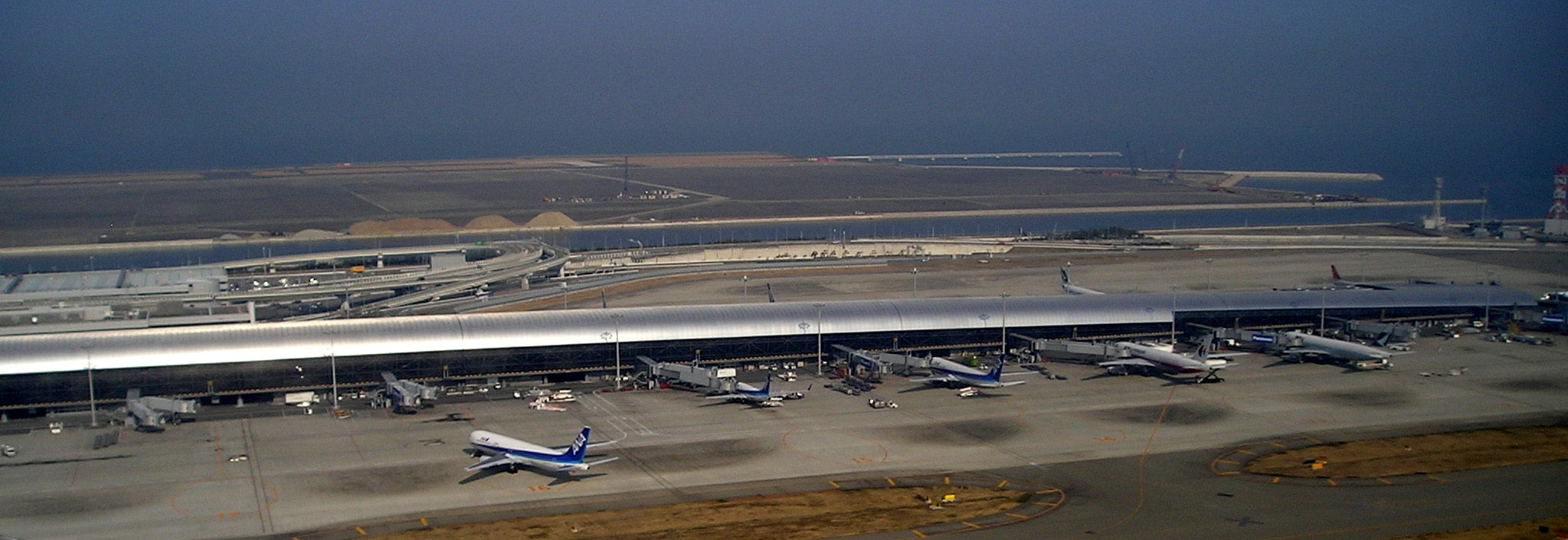
Kansai International Airport (Nickj, Creative Commons Attribution-ShareAlike 3.0 License)
Technologically, achieving the feat of running the airport for the duration of the contract might not be difficult. The core competency—operating airports—is well-understood. Operational continuity is built in: airports have to function every day, forcing systematic processes and knowledge transfer. You can’t have a “we’ll figure it out later” moment.
But the human coordination challenges are immense. Everyone who signed that contract in 2015 will retire long before 2060. There will probably be multiple waves of complete staff replacement.
And what about corporate continuity: what if VINCI or ORIX gets acquired? Goes bankrupt? Shifts strategic priorities? The parent companies could fundamentally change multiple times over 45 years.
The faith required here is different from both bonds and net-zero aviation. It’s not faith in impossible technology (like aviation net-zero). And it’s not faith in pure institutional continuity (like Treasury bonds). But faith in sustained operational excellence and adaptability over a timespan longer than most careers.
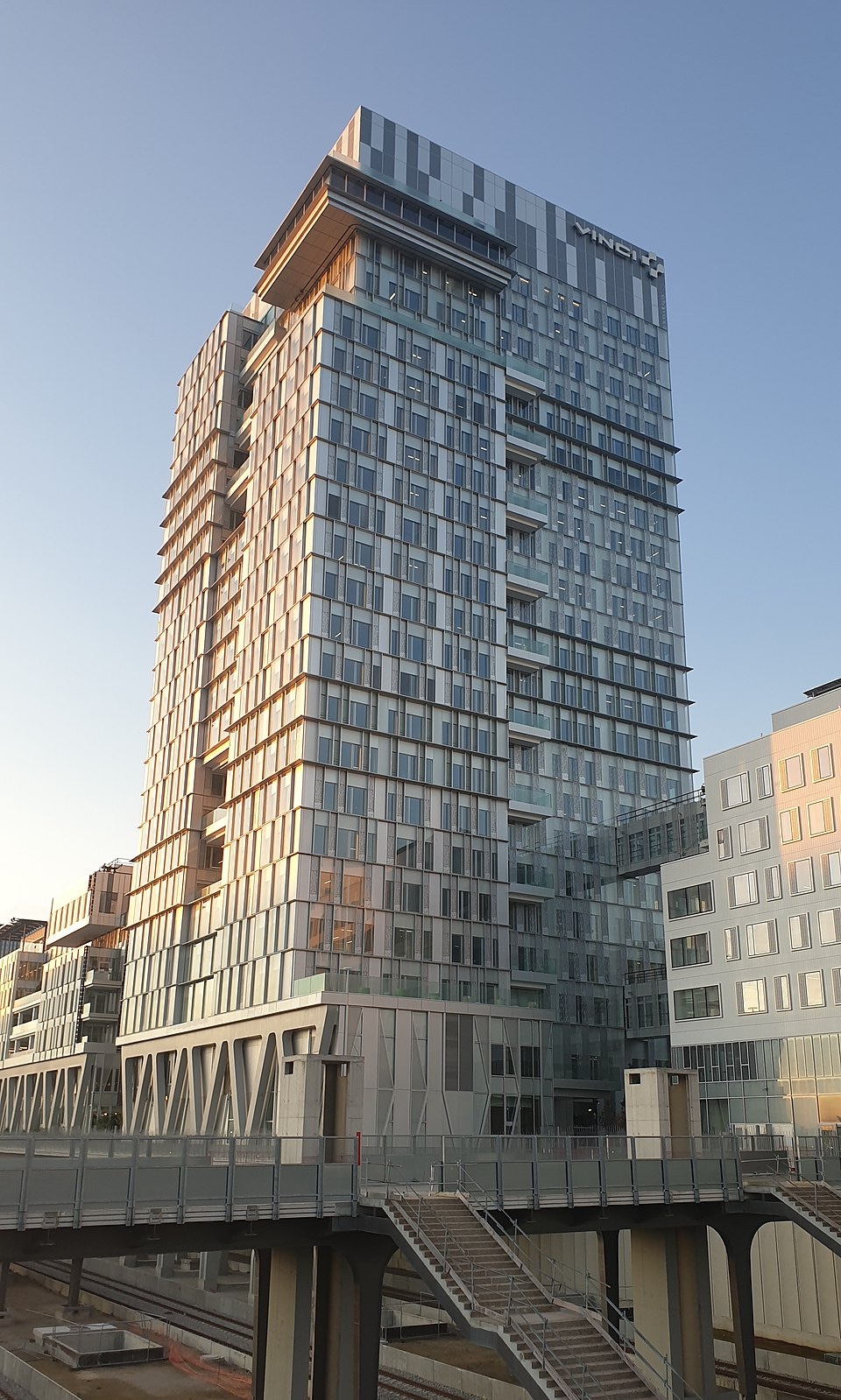
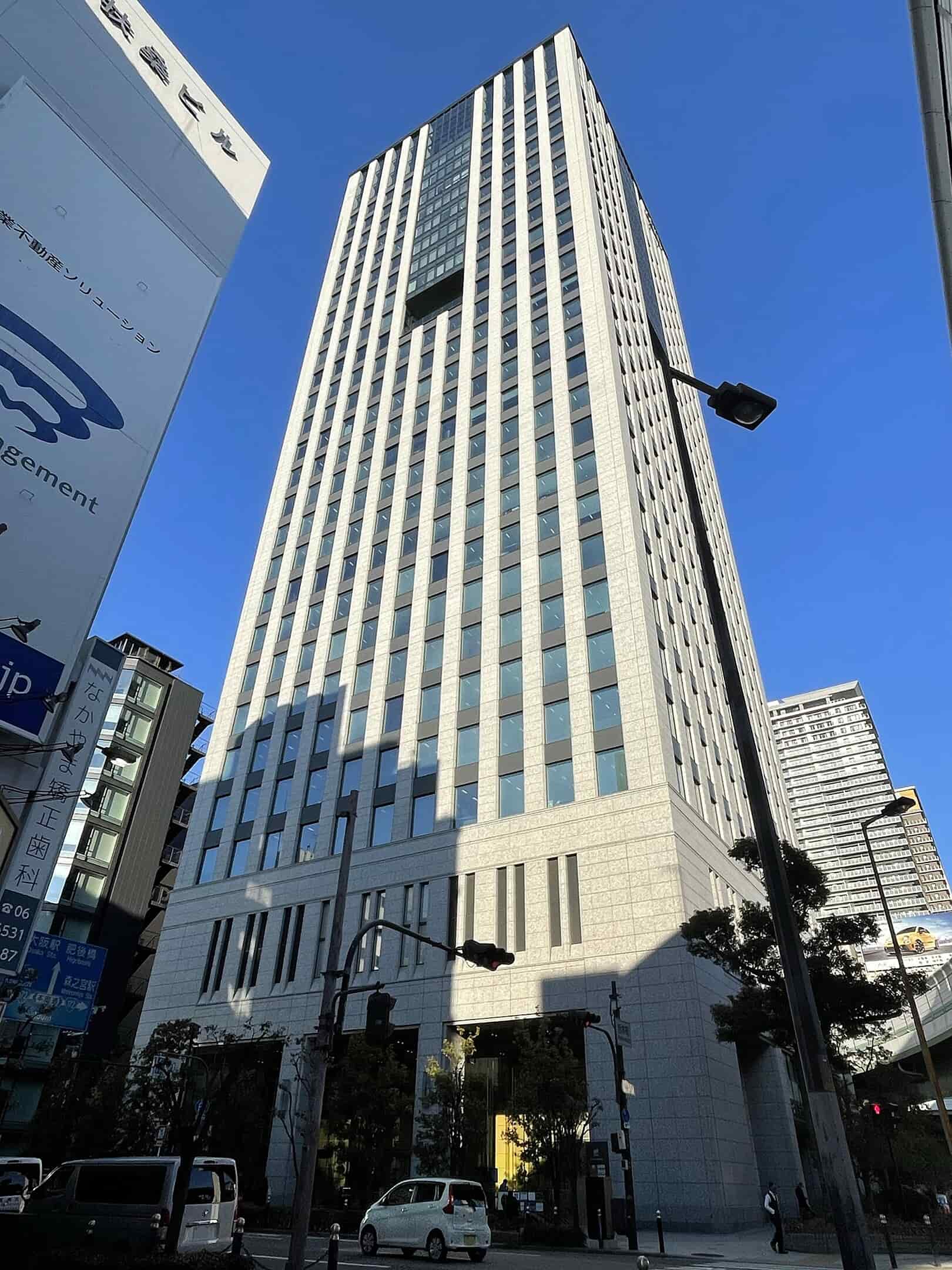
The faceless headquarters of Vinci SA and Orix (Bretwa, Tokumeigakarinoaoshima, CC BY-SA 4.0, via Wikimedia Commons)
The consortium is betting that:
- They can maintain complex operations flawlessly for 45 years
- Their corporate structures remain stable enough to honor commitments
- The business model remains viable despite unknowable future disruptions
- They can transfer knowledge and culture across multiple generations of employees
- Japan’s government remains a stable partner for nearly half a century
But there is a real existential weirdness of it all when you think about how divided responsibility becomes over time and to how many thousands of different people. The people who signed the 2015 contract will have moved on by the time it is finished. The executives, the engineers who designed the initial plans, the lawyers who drafted the terms—all gone by 2060. Most will probably have retired by 2040. The “consortium” that made the commitment will be an entirely different collection of humans within 15-20 years. So who, exactly, is responsible?
The legal answer is easy: Kansai Airports, the corporate entity, is responsible. The company continues even as every single person within it gets replaced. But the human reality is much stranger: imagine you’re hired by Kansai Airports in 2040—25 years into the concession. You didn’t make the original commitment. You weren’t part of the original planning. You probably don’t personally know anyone who was. You’re just… working at an airport. Are you “responsible” for honoring a 45-year commitment made by completely different people before you even started your career? In one sense, yes—it’s your job. In another sense, it’s absurd. You’re being asked to maintain fidelity to decisions made by ghosts.
And the responsibility gets atomized into meaninglessness: the consortium includes at least 28 major organizations: ORIX, VINCI, ASICS, Iwatani, Osaka Gas, Obayashi, OMRON, Kansai Electric Power, Kintetsu, … and the list goes on. Each has thousands of employees. Each will undergo complete personnel turnover. Some might merge, split, or cease to exist. So if something goes wrong in 2045, who’s actually responsible? Is it:
- The airport manager on duty that day?
- The CEO of Kansai Airports in 2045 (who may not have even been a legal adult when the contract was signed)?
- VINCI Airports headquarters in France (staffed entirely by people who joined after 2015)?
- The 28 consortium members collectively (most of whose 2015 leadership is retired or dead)?
- The Japanese government that granted the concession?
The responsibility is so diffused that it almost doesn’t exist in any meaningful human sense. It’s just… systemic. The system is responsible. But systems aren’t people.
This creates a deeply weird situation: unlike the cheesemaker who personally waits 3 years for their cheese, or the doctor who personally endures 11 years of training, the airport concession requires no individual human to maintain patience for 45 years. Instead, it requires building a machine (bureaucratic, corporate, operational) that perpetuates itself regardless of who’s operating it.
The patience isn’t in the people—it is something else, maybe “institutional momentum”. And this might actually be what makes it possible to commit to 45 years: because no individual human has to bear the weight of that entire timespan.
The system diffuses the impossible burden across so many people and so much time that no single person has to maintain the faith or patience. You just need each person to do their job for their 5-10-20 years, trust that the next person will do the same, and hope the institutional machinery keeps running.
But this brings us to a dark place: maybe truly long-term human projects are only possible when we remove the “human” part—when we build systems so impersonal and self-perpetuating that individual humans become interchangeable components. The 45-year airport concession isn’t an act of human patience. It’s an act of human abdication—we’ve designed a system that doesn’t require us to be patient because it will carry on whether we are or not.
And that’s either deeply impressive engineering… or kind of horrifying.
Nuclear Waste and Patience’s Limit
As a final example, I will share the longest timescale concrete human project that I know of: nuclear waste storage, which operates on timescales that make everything else look trivial. Nuclear waste continues to remain dangerous if inhaled or ingested for 1,000 – 100,000 years after it is initially used. And so far, we have already generated tens of thousands of tonnes of high-level radioactive waste that will remain lethal for hundreds of generations to come.
The boggling thing is that ten thousand years is approximately twice the length of recorded human history. No human structure has ever lasted that long, and no civilization stretches back even half that length. The Great Pyramid is not yet 5,000 years old.
Think about that absurdity: we’re trying to protect people who will live further in our future than the ancient Egyptians are in our past.
The patience required here is so extreme it becomes philosophical rather than practical. The terrifying problem: how do you warn people 10,000 years from now not to dig up the waste? Languages change completely. Civilizations rise and fall. The countries now engaged in the nuclear industry all have lifetimes measured in mere centuries.
Nuclear waste is a limit case where even institutions can’t span the timeframe required for the project. It seems that the longer the timescale, the more any single person involved in a patient act dissolves into systems, and eventually into… what?
In general, long-term patience requires either delusion (aviation net-zero), abdication (airports), or faith so deep it’s invisible (treasuries). None of these are the heroic patience we romanticize—the cheesemaker who waits, the doctor who endures. While I started trying to find something inspiring about human patience, instead I found something stranger. We’re remarkably good at building systems that don’t require us to be patient at all. And because of this, patience at a civilizational scale isn’t a special act performed by unusual people—it’s the water we swim in, made invisible because we inherit systems that carry it rather than summon it ourselves.
Comments powered by Talkyard.